

India is entering FY26 with a sharper, cleaner and more investment-friendly regulatory climate, one that foreign companies cannot afford to ignore. From tax reforms and valuation rules to compliance guardrails, the operating environment is shifting fast. For global firms assessing India as their next market, this year is less about “what has changed” and more about “how to stay ahead of the change.”
Here’s a clear, engaging breakdown, designed for decision-makers and market-entry teams.
Why FY26 Marks a Turning Point
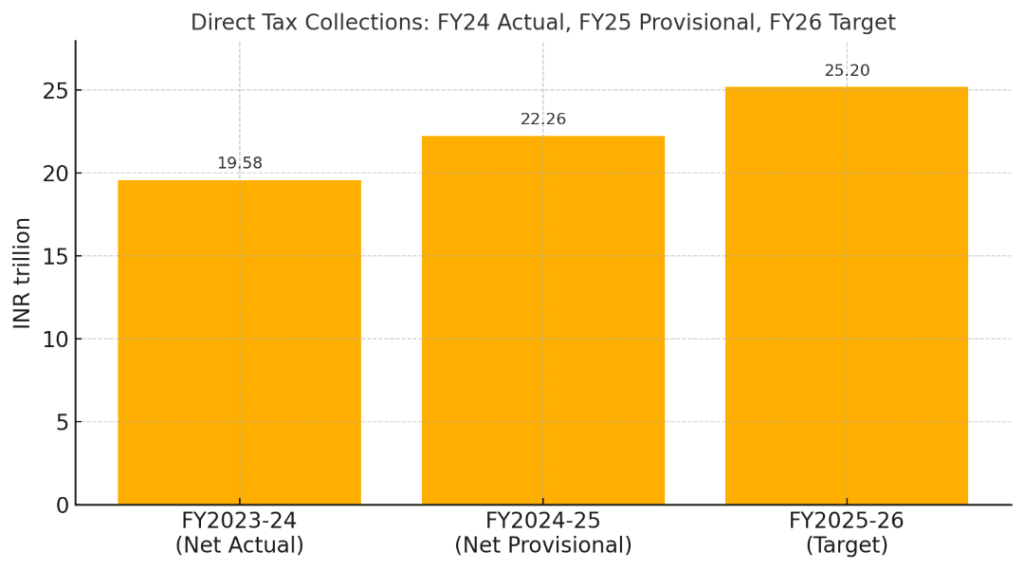
India’s policy ecosystem is evolving with a focus on predictability, transparency and high-quality capital inflows. The government has set an ambitious direct tax collection target of ₹25.20 trillion for FY26, signalling emphasis on efficiency and dispute reduction rather than rate hikes.
At the same time, the Union Budget 2025–26 underscores simplified procedures, digital compliance systems and modernised tax administration, making India attractive for steady, rule-aligned global investment.
What’s New: The Big Three Foreign Firms Must Watch
1. The Tax Playbook Is Being Cleaned Up
- The government is pushing for a reduction in litigation, faster dispute resolution and streamlined filing systems.
- Tax exemption limits for individuals are unchanged, maintaining stability for workforce cost planning.
2. Valuation Rules Are Getting More Scrutinised
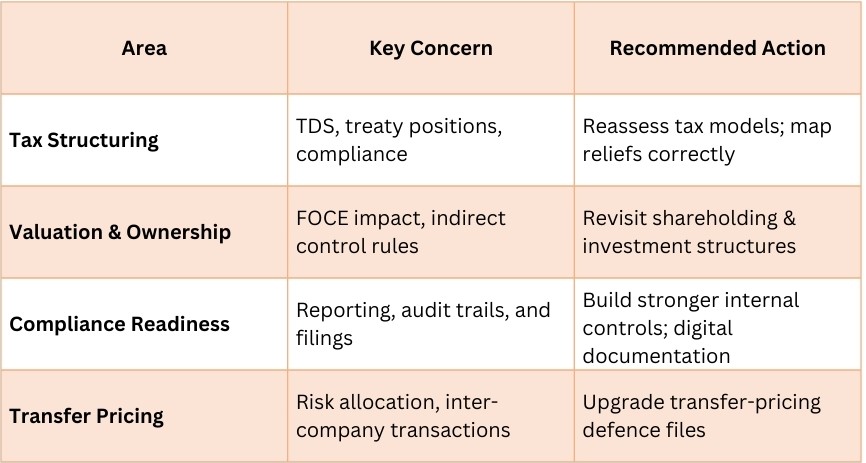
- A new category under consideration, FOCEs (Foreign-Owned and Controlled Entities), could reshape how foreign subsidiaries and indirectly controlled entities are valued and regulated.
- This means valuation defensibility, shareholding transparency and transfer-pricing integrity are now non-negotiable.
3. Compliance Expectations Are Rising, Smartly
- The FY26 budget proposes a rethink of the licensing and compliance frameworks for foreign investors.
- Authorities are tightening audits around cross-border transactions and beneficial ownership.
- Refunds and dispute mechanisms are expected to become faster and more digital-first.
A Quick Snapshot: What Foreign Firms Must Rework
Direct Tax Targets vs. Actual Collections (FY24–FY26)
So, What Does All This Mean for Foreign Businesses?
FY26 is shaping up to be a year of tightened rules but smoother navigation. India wants high-quality investment, not arbitrage-driven inflows, so the focus is on clarity, digital compliance and globally aligned valuation norms.
For foreign firms, this translates to three strategic imperatives:
- Be structure-ready: Your tax and valuation models must withstand deeper scrutiny.
- Be documentation-ready: Compliance is shifting from “paperwork” to “evidence-based governance.”
- Be future-ready: Those who align early with the new FOCE and tax ecosystem will enjoy easier market access and fewer friction points.
In short, FY26 rewards firms that treat compliance not as a defensive chore, but as a competitive advantage.
As India sharpens its tax frameworks, tightens valuation norms and modernises compliance architecture in FY26, the message to global businesses is clear: this is a market that rewards preparedness, transparency and long-term commitment. For foreign firms, the opportunity is significant, but so is the need for strategic alignment.
Those who take the time to structure their India operations correctly, document value creation clearly, and build compliance systems that can withstand scrutiny will enjoy smoother market entry, faster regulatory approvals and a more competitive operating position.
If you are planning to enter India or scale your existing presence, now is the moment to take a proactive approach. Fill out this form, and the Walmond team will help you navigate FY26 with clarity, confidence and a market-ready strategy.